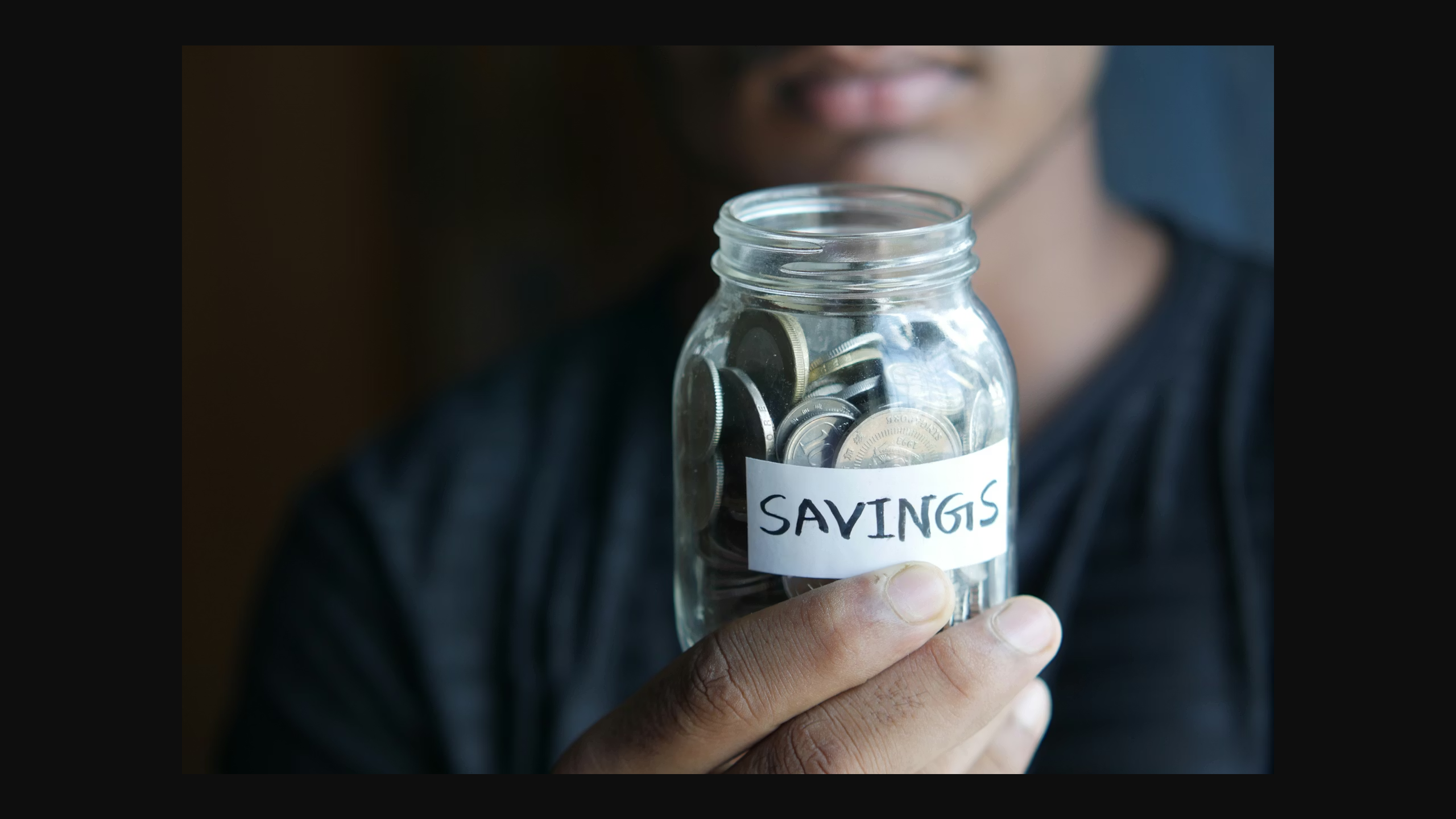
The US personal savings rate sat at just 3.5% in late 2025—meaning the average American keeps only $3.50 of every $100 earned. This isn’t a rounding error. It’s a structural reality affecting tens of millions of households trying to build financial security while navigating persistent inflation and rising costs.
If you’ve been struggling to save consistently, you’re not alone. Nearly half of Americans describe the cost of living as not very affordable, and 89% believe saving is harder today than it was for past generations. But here’s the truth: saving money isn’t about willpower or skipping your morning coffee. It’s about implementing smart systems that work automatically.
This comprehensive guide walks you through 12 proven strategies that actually move the needle—from building your emergency fund to cutting your biggest expenses. Let’s transform your financial trajectory in 2026.
Why Saving Money Feels Harder in 2026
Three structural forces are working against savers today in ways previous generations didn’t face simultaneously:
Housing Costs Have Outpaced Income Growth
The average American household now spends 32.9% of total expenditures on housing. A generation ago, that figure typically ran 25–28%. This isn’t a spending habit—it’s a structural market shift requiring different strategies.
Subscription and Recurring Charge Accumulation
The average household carries 4–6 forgotten or underused subscriptions totaling $40–$130 monthly. These charges feel invisible individually but compound into thousands annually.
Digital Payment Frictionlessness
Tap-to-pay, one-click purchasing, and saved payment methods have removed the psychological “pain of paying” that naturally moderated spending. Your financial environment is explicitly designed to maximize spending—you need structural countermeasures.
Step 1: Build Your Emergency Fund First
Before optimizing grocery spending or shopping insurance rates, you need a financial buffer that prevents unexpected events from creating debt. Currently, 24% of Americans have no emergency savings at all, and 30% have some but not enough to cover three months of expenses.
The Four-Stage Emergency Fund Path
Stage 1 — $500 Buffer: This absorbs the most common financial emergencies without requiring credit cards. Even $25/month reaches $500 in 20 months.
Stage 2 — One Month Essential Expenses: Covers short disruptions and income gaps.
Stage 3 — Three Months Essential Expenses: A genuine safety net for serious events like job loss or major repairs.
Stage 4 — Six Months Essential Expenses: Full resilience—the professional recommendation for maximum security.
The mechanism behind emergency fund importance is simple: without one, every unexpected expense becomes a credit card balance at 20–28% APR. Each new balance raises monthly fixed costs through minimum payments. The cycle self-reinforces and progressively worsens.
Step 2: Switch to High-Yield Savings Accounts
Where you keep savings determines how hard they work. As of January 2026, online high-yield savings accounts offer 4.5–5.0% APY compared to the FDIC national average of 0.39%.
The Math: On a $5,000 emergency fund, moving from 0.39% to 4.75% APY earns an additional $218 yearly. On $12,000, it’s $522 annually—with zero behavioral change required.
Only 39% of Americans keep savings in high-yield accounts. The majority leave real money on the table in traditional accounts earning fractions of what’s available.
The right emergency fund account has three qualities: FDIC-insured for safety, accessible within 1–2 business days, and earning the highest available rate. Online banks currently satisfy all three.
Step 3: Automate Your Savings on Payday
Automation is the single most evidence-backed intervention for improving savings rates. When transfers happen automatically on payday, the decision occurs once rather than monthly. Willpower requirements drop to near zero.
How to Set It Up:
- Calculate a sustainable amount—even $50 per paycheck builds momentum
- Schedule transfers for your actual pay date, not month-end
- Use separate accounts for different goals (emergency fund, house, vacation)
- Increase amounts by $25–$50 quarterly as expenses reduce
Research on 401(k) enrollment proved people stick with defaults. Apply this to savings: make saving the default, and you’ll save more without thinking about it.
Step 4: Cut Your Three Largest Expenses
Most saving advice focuses on small discretionary spending—coffee, streaming, small luxuries. These matter at margins, but the biggest opportunities exist in housing, transport, and food. Meaningful reductions in any one category produce far more annual savings than optimizing every discretionary expense combined.
Grocery Savings: $265–$515 Monthly Available
The average household spends approximately $830 monthly on food at home. Four tactics produce consistent savings without reducing quality:
- Meal planning from written lists reduces impulse purchases and food waste
- Switching staples to store brands saves 20–40% for often-identical products
- Using grocery pickup eliminates in-store impulse additions
- Buying proteins in bulk when on sale reduces per-serving costs by 25–40%
Combined impact: $3,180–$6,180 yearly without extreme couponing or eating worse.
Car Insurance Savings: $360–$960 Yearly Available
Rates vary 40–60% between providers for identical coverage, yet most people accept annual renewal increases without comparison shopping. A single annual review comparing three to four quotes consistently produces $30–$80 monthly savings with no coverage reduction.
Pro Tip: Call your existing insurer saying “I received lower quotes elsewhere—can you match?” This succeeds more often than expected.
Energy Bill Savings: $200–$400 Yearly Available
Three changes reduce electricity and heating bills without lifestyle compromise:
- LED bulbs: 75% reduction in lighting electricity
- Thermostat adjustments of 2–4°F: 6% savings per degree
- Eliminating standby power: 5–10% of total household electricity
Step 5: Cancel Unused Subscriptions Immediately
The fastest single action with highest immediate impact is canceling unused subscriptions. Most households find $40–$130 monthly in just 20 minutes of statement review.
Quarterly Audit Process:
- Pull three months of bank/credit card statements
- Highlight every recurring charge
- Ask for each: “Did I use this in the past 30 days?”
- Cancel anything unused immediately
- Redirect savings to automatic transfer
Streaming services, apps, and digital tools raise prices incrementally over time. What felt affordable at $9.99 becomes $15.99, then $19.99—without conscious decision.
Step 6: Implement the One-Week Pause Rule
Impulse spending is usually emotional, tied to stress or the feeling you “deserve” something. The one-week pause rule protects against regret spending without forcing a no-fun lifestyle.
How It Works: For any non-essential purchase over $50, write it down and wait seven days. During that week, you can price-compare, find used versions, or realize you didn’t want it that much. Time is the best anti-impulse tool.
Step 7: Cook at Home More Often
Eating out costs three times more than buying groceries and eating at home. Replacing even a few restaurant meals monthly creates noticeable spending reduction.
Strategy: Pick 5–7 repeat meals you actually like, keep ingredients simple enough for leftover use, and add one flexible “absorb anything” meal like tacos or stir-fry. The goal is reducing waste—wasted food equals wasted money.
Step 8: Pay Down High-Interest Debt First
Credit card rates remain elevated in inflationary environments. Paying down balances reduces compounding interest costs and improves long-term flexibility.
Two Proven Methods:
Avalanche Method: Target highest APR debt first, saving maximum interest over time.
Snowball Method: Target smallest balance first, building momentum through quick wins.
Both work—choose based on whether you’re motivated by math (avalanche) or psychology (snowball). Always make minimum payments on all debts while attacking your target.
Step 9: Name Your Savings Goals Specifically
Saving without specific goals is difficult to sustain psychologically. The brain prioritizes immediate, concrete rewards over abstract future ones. Attaching savings to named goals transforms saving from sacrifice into progress.
Effective Goal-Setting:
- Name specifically: Not “save for house” but “save $40,000 for house deposit by March 2028”
- Open dedicated accounts: Each goal gets its own named account
- Calculate monthly contributions: Total ÷ months remaining = required monthly
- Automate on payday: Transfer happens before spending is possible
Research in behavioral finance finds named savings accounts with visible targets have higher completion rates than unnamed general accounts.
Step 10: Review Fixed Costs Annually
Phone, internet, and insurance contracts often increase without notice. Locking in rates ahead of anticipated increases or switching suppliers reduces annual expenses by hundreds.
Annual Review Checklist:
- Call internet provider asking for current promotions
- Compare phone plans, especially MVNO options
- Shop insurance quotes (auto, home, life)
- Negotiate medical bills before paying
- Cancel any service you haven’t used in 60 days
Step 11: Use Cash或Physical Payment for Problem Categories
If certain categories consistently exceed budgets (groceries, entertainment, dining), switch to cash or debit for those purchases only. Physical money creates psychological friction that digital payments eliminate.
The “envelope method” works because once cash is gone, spending stops. No overdraft, no “I’ll pay later”—just done.
Step 12: Increase Savings Rate With Every Raise
If you receive a raise, bonus, or windfall, save at least 50% of it immediately. Your lifestyle won’t notice the difference, but your savings rate jumps meaningfully.
Example: A $5,000 raise feels great. Saving $2,500 annually from it while using $2,500 for lifestyle gives you both improvement and accelerated savings.
30-Day Fast Start Plan
If you need immediate results, here’s your action sequence:
Week 1: Fast Wins
- Cancel unused subscriptions ($40–$130 monthly savings)
- Open high-yield savings account (adds $200–$500 annual interest)
- Sell unused items ($300–$800 one-time)
Week 2: Automate Everything
- Set up automatic savings on payday
- Remove saved payment methods from shopping apps
- Unsubscribe from promotional emails
Week 3: Tackle One Big Expense
- Shop car insurance (3 quotes, 30 minutes)
- Call internet provider to negotiate rate
- Review phone plan for cheaper options
Week 4: Lock It In
- Name your savings goals with dedicated accounts
- Track one full week of spending completely
- Implement meal planning with grocery lists only
Conservative 30-day impact: $300–$800 saved immediately, $150–$400 monthly in permanent reductions.
How to Save on a Low Income
Saving on tight income requires different strategies. Percentage-based advice (save 20%) is structurally impossible when essential expenses consume 80–95% of income.
Low-Income Priority Order:
- Build $500 first, not three months—even $25/month reaches it in 20 months
- Focus on Big Three expenses: Housing (roommate, negotiate rent), transport (public transit), food (meal planning, store brands)
- Access assistance programs: SNAP, LIHEAP, 211 resources free up income for savings
- Increase income alongside expense cuts: Side income changes what’s structurally possible
- Automate even $10/month: The habit matters more than year-one amount
Frequently Asked Questions
How much of my income should I save?
The widely recommended target is 20% of take-home income per the 50/30/20 framework. In practice, the US savings rate was 3.5% in late 2025—most Americans save far less. Start with whatever you can automate consistently without your budget collapsing. Begin at 5% if 20% is unreachable. Automate it. Increase by 1–2% every six months. Reaching 20% over 2–3 years beats attempting it month one and failing.
What’s the fastest way to save money?
The fastest single action is canceling unused subscriptions—most households find $40–$130 monthly in 20 minutes. Second fastest: moving savings to high-yield accounts (15 minutes, zero behavior change, $200–$500 additional yearly interest). Third: setting up automatic transfers on payday. These three actions take 45 minutes combined and produce permanent improvements.
Should I save money or pay off debt first?
Do both simultaneously rather than sequentially. Build a $1,000 emergency buffer first—this prevents debt from immediately growing again when emergencies arrive. Then split additional capacity between debt repayment (prioritizing highest-interest debt) and continued savings. Paying all debt before saving leaves you vulnerable to new emergencies creating new debt. Saving exclusively while carrying high-interest debt costs you the interest differential.
How do I save when I have nothing left at month-end?
Save first: automate a transfer on payday before discretionary spending. Even $25/month establishes the habit. Then identify one specific spending category where outlay doesn’t match value received—usually subscriptions or food delivery—and reduce that category specifically, redirecting to your automated transfer.
Where is the safest place to keep savings?
FDIC-insured savings accounts are safest for money needed within 1–5 years. The FDIC insures up to $250,000 per depositor per institution. High-yield savings accounts at FDIC-insured online banks combine safety with highest available rates (4.5–5.0% APY as of early 2026). Investment accounts produce higher long-term returns but carry market risk—not appropriate for emergency funds or short-term goals.
How long does it take to build a full emergency fund?
At $200/month: a $6,000 three-month fund takes 30 months (under 2.5 years). At $300/month: 20 months. At $500/month: 12 months. Timelines shrink significantly if windfalls—tax refunds, overtime, freelance income—go directly to the fund. Most importantly: reaching $2,000 produces measurable improvements in financial wellbeing, making the first milestone most impactful regardless of distance from six-month targets.
The Bottom Line
Saving money in 2026 isn’t about exceptional discipline or earning more. It’s about implementing working systems: the right accounts earning 10x interest, automatic transfers removing monthly decisions, named goals providing motivation, and strategic expense cuts on the big three categories.
Start with the Quick Start actions above. Build your $500 buffer. Open a high-yield account. Automate one transfer. These three actions—completed in under an hour—create permanent structural improvements to your financial trajectory.
The households making saving work aren’t exceptional earners or disciplinarians. They’re people with working systems. Build yours today.
External Resources
For more detailed guidance on specific topics:
- Fidelity: 5 Ways to Save More in 2026 – Expert strategies for boosting savings rates
- Investopedia: 9 Smart Ways to Save as Inflation Stays Sticky – Practical inflation-fighting tactics
- Higherdot: Complete Guide to Saving Money in 2026 – Comprehensive step-by-step framework
- FDIC: National Rates and Rate Caps – Current savings rate data and benchmarks
- Federal Reserve: Consumer Finance Data – Official savings and debt statistics