
When a utility bill jumps, the tempting response is to make home life less pleasant: keep the house too warm in summer, too cool in winter, or skip normal routines. That approach rarely lasts. A better plan is to remove waste first, then spend only where the numbers and your home’s condition justify it.
Comfort and lower bills can coexist because much of a home’s energy use is not delivering comfort at all. It leaks through gaps, runs while no one needs it, or is consumed by equipment that needs basic care. This guide gives you a repeatable way to find those losses, prioritize fixes, and avoid buying an expensive gadget just because it promises savings.
Start with the bill, not the hardware store
Gather the last 12 months of electricity, gas, oil, propane, water, and sewer bills. If you have fewer than 12, use every month available. Put the total charge and usage units into a simple note or spreadsheet. Mark months that were unusually hot, cold, vacant, or full of guests. Your goal is not a perfect energy model. It is to identify a pattern worth investigating.
Separate the fixed customer charge from the usage charge. A lower usage number will not erase a fixed fee, so judge progress by the part of the bill you can influence. If your bill shows time-of-use pricing, note the expensive hours too. Moving a flexible task such as laundry or dishwashing can matter more than a tiny reduction at a cheap hour.
Compare the same month year over year when possible. Comparing July with January mainly measures weather. Comparing this July with last July makes it easier to spot a new habit, a failing appliance, a tariff change, or a home that is no longer operating normally. This kind of monthly check-in fits naturally with a broader sinking-fund system: give predictable but uneven bills a place in your plan before they become an emergency.
Build a comfort-first energy priority list
Use three questions before acting. First, what is the biggest likely use in this home? Heating and cooling are a logical first place to look; ENERGY STAR says they account for nearly half of the energy used in a typical home. Second, is the fix low cost and reversible? Third, does it preserve health, safety, and the comfort that lets everyone sleep, work, and live normally?
That order prevents two common mistakes. One is chasing tiny standby loads while conditioned air pours through a bad door seal. The other is replacing working equipment before you have measured the actual problem. Start with behavior and maintenance, then small materials, then professional work or capital upgrades.
1. Tune schedules before changing temperatures
A thermostat is not a speed control. Cranking it to an extreme does not make the house heat or cool faster; it usually makes the system run longer and overshoot your comfort. Instead, choose the lowest comfortable winter setting and the highest comfortable summer setting while people are home, then use modest setbacks when the home is asleep or empty. The Department of Energy notes that a setback during an eight-hour period can reduce heating use, but the right setting depends on climate, insulation, equipment, and occupants.
Program around real life. If someone works from home, do not copy an “away all day” schedule. If a baby, older adult, pet, or medical need requires a stable temperature, protect that requirement first. A smart or programmable thermostat is useful only if its schedule matches the household; otherwise a manual routine can be just as sensible. Check your utility for a demand-response program before enrolling, and understand how an event can adjust your equipment.
For heat pumps, radiant systems, and multi-zone homes, aggressive setbacks can be counterproductive. Read the manufacturer guidance or ask a qualified technician how your system recovers. The target is steady comfort with less unnecessary runtime, not a contest to use the lowest thermostat setting.
2. Stop drafts before buying bigger equipment
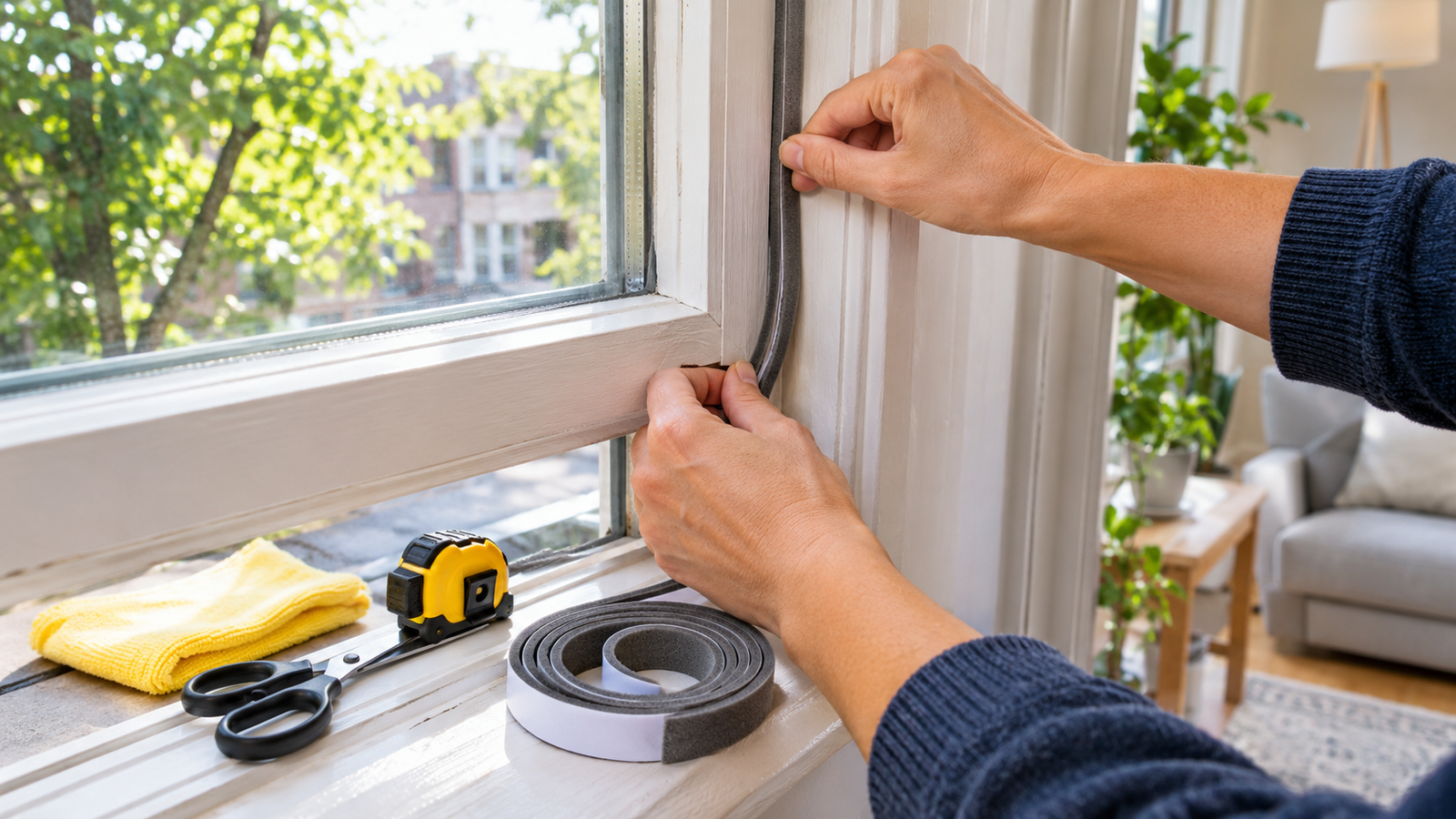
If a room feels drafty, a higher thermostat setting treats the symptom instead of the pathway. On a windy day, check around exterior doors, operable windows, plumbing penetrations, attic hatches, cable entries, and the joint between a window frame and wall. Look for cracked caulk, flattened weatherstripping, loose sweeps, or visible daylight.
Weatherstripping and caulk are often low-cost first moves, but use the right product for the surface and do not block required ventilation, combustion-air openings, weep holes, or safety clearances. Renters can usually add removable rope caulk, door sweeps, window film, and lined curtains, but should ask before permanent changes. Homeowners should consider a professional energy assessment when drafts are widespread or rooms are dramatically uneven.
The Federal Trade Commission recommends checking air leaks, insulation, and ducts and notes that many utilities offer free or low-cost assessments. An assessment can identify whether attic insulation, duct repair, or air sealing has a better payoff than a flashy appliance. Get a written scope, compare contractors, and be cautious about door-to-door “today only” offers. For larger housing costs, keep repairs separate from your ordinary monthly budget with a home-maintenance budget.
3. Give heating and cooling equipment basic care
Comfort systems work harder when airflow is restricted. Check the filter monthly during heavy heating or cooling seasons and replace or clean it on the schedule specified for your equipment. ENERGY STAR says a dirty filter slows airflow, makes the system work harder, and can contribute to costly maintenance. Keep supply and return vents clear of furniture and rugs, and do not close many vents hoping to force more air into one room; that can create pressure and airflow problems.
Outside, keep vegetation and debris away from a condenser or heat pump so air can move freely. Inside, do not ignore unusual sounds, short cycling, uneven temperatures, ice, leaks, or a sudden bill increase. Those are reasons to seek service, not reasons to keep adjusting the thermostat. An annual tune-up, scheduled before the busiest season, can catch a small problem before it becomes a comfort crisis.
Close shades and drapes against afternoon summer sun. In cold weather, use daylight when it helps and close coverings at night. Ceiling fans can make a room feel more comfortable, but their benefit is for people, not empty rooms—turn them off when no one is there.
4. Treat hot water as a major line item
Water heating is easy to forget because the equipment is often hidden, yet it can be one of a home’s larger energy uses. The Department of Energy’s checklist puts water heating at roughly 14% to 25% of household energy consumption. Start with no-regret checks: fix drips promptly, use the cold cycle for routine laundry when fabric care allows, run full dishwasher and laundry loads, and avoid overdrying clothes.
For many households, a water-heater setting of 120°F is an appropriate starting point, balancing energy use and scald risk. But do not change the setting blindly. Consult the manual and a qualified professional if someone in the household has special health needs, if the system has a mixing valve, or if you are unsure how to measure the temperature at the tap. Insulating accessible hot-water pipes and, where appropriate, an older tank can reduce standby loss; follow manufacturer instructions and keep clearances intact.
A low-flow showerhead can reduce hot-water demand without turning showers into a chore, but performance varies. Choose one with a return policy, test it, and keep what works. A leak, a worn toilet flapper, or an unexpectedly long hot-water wait can be a better place to investigate before replacing a water heater.

5. Make appliances work on your schedule
Look at the habits attached to your highest-use appliances. Use moisture-sensor drying if available and avoid routinely adding “just in case” dryer time. Keep refrigerator door seals clean and intact, leave room for airflow around the appliance, and set temperatures according to the manufacturer’s safe guidance. Do not unplug a needed refrigerator or freezer to save a little electricity; food safety comes first.
If your rate plan charges more at peak hours, shift flexible loads where practical. Start the dishwasher after the peak window, charge devices at a cheaper time, or use delayed-start features. This is not a reason to run appliances unsafely while everyone sleeps. Use the functions you can supervise and that fit your household rhythm.
LED lighting is especially worthwhile for bulbs used several hours a day. Replace failed bulbs first, then prioritize the most-used fixtures rather than throwing away working products. Power strips can simplify turning off clusters of electronics, but do not cut power to devices that need continuous operation or updates. The best small change is the one you will keep doing.
6. Evaluate upgrades with a simple payback screen
A new window, heat pump, insulation project, or water heater can be a good investment, but “energy efficient” is not a complete financial case. Write down the installed price after rebates and credits, the credible annual savings estimate, expected maintenance, useful life, financing cost, and comfort benefit. Then compare more than one bid and ask what assumptions produced the estimate.
Simple payback is the net installed cost divided by estimated annual savings. It is imperfect: energy prices change, comfort matters, and equipment eventually needs replacement anyway. Still, it is a valuable first filter. If a contractor cannot explain the estimate, or the numbers only work with a high-interest loan, pause. You can also decide to wait and direct monthly cash toward an emergency fund until a replacement is truly necessary.
Check your utility, state energy office, and official program pages for rebates before signing. Eligibility, income limits, product requirements, and funding availability can change. Do not let a possible incentive turn a poor project into an automatic yes. The home should still need the work at a price you can support.
7. Keep the utility budget steady even when usage is seasonal
Lower usage does not guarantee a perfectly flat bill. Weather, fuel prices, rate structures, and fixed charges all move. Budget billing can smooth seasonal payments, but it usually changes timing rather than total cost. Ask how the utility reconciles an over- or underpayment, whether it can change your payment midyear, and what happens if you move.
Build a small monthly utility buffer from your 12-month average and use it only for actual bills. That separates a predictable seasonal spike from a surprise. It also makes it easier to spot an abnormal charge rather than explaining every increase away as “summer.” For a full cash-flow picture, pair it with your household budget review and update the amount after a meaningful rate or household change.
8. Renters can still lower bills
You do not need to own the building to make progress. Ask the landlord to repair obvious leaks, damaged weatherstripping, a malfunctioning thermostat, or equipment that cannot hold temperature. Document requests in writing and keep photos. Use reversible actions you control: curtains, draft stoppers that do not block exits, LED bulbs where allowed, full laundry loads, sensible thermostat scheduling, and utility-plan review.
Before paying for a permanent improvement, get written permission and clarify whether you will be reimbursed. If the unit is consistently unsafe, moldy, or impossible to heat or cool, local tenant rules and assistance programs may matter more than another DIY item. Do not seal vents or tamper with gas, electrical, or HVAC systems.
A 30-day utility-bill reset
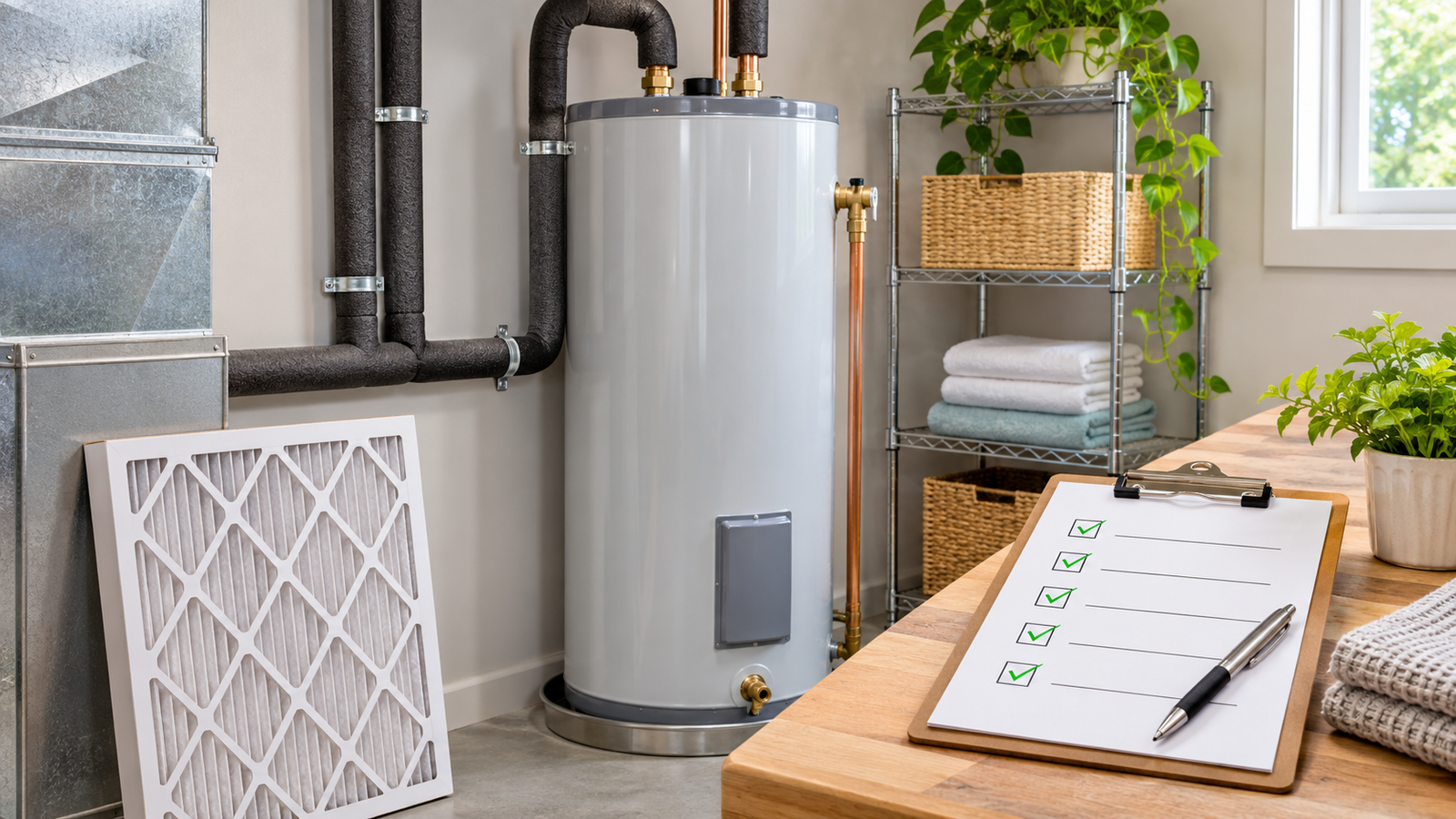
Week 1: Download bills, record usage and rates, and check the utility’s rate-plan and assistance pages. Replace a clearly dirty HVAC filter if your system uses one. Week 2: Walk the home for drafts and leaks; make the simple, safe repairs you can verify. Week 3: Set a realistic thermostat schedule, use appliance delay features where appropriate, and fix one hot-water habit. Week 4: Compare the next bill’s usage to a comparable period, write down what changed, and decide whether an assessment or repair is warranted.
Do not expect a single month to prove every change worked. Weather varies, and some billing cycles overlap. The win is a calmer system: you understand what you pay for, your home is more comfortable, and future upgrades have to earn their place in the budget.
Frequently asked questions
What is the fastest way to lower a utility bill?
Start by checking the rate plan and your largest usage category, then address dirty filters, obvious drafts, leaks, and schedules that run equipment when nobody benefits. The fastest right move differs by home, so inspect before buying.
Should I turn the heat or air conditioning completely off while away?
Usually a modest setback is safer and more comfortable than switching equipment off, especially in extreme weather or humid climates. Follow your equipment guidance and protect people, pets, plumbing, and moisture control.
Is a smart thermostat always worth it?
No. It can help when it produces a schedule you will use, but it cannot fix air leaks, poor insulation, or broken equipment. Review compatibility, privacy settings, utility incentives, and your daily pattern first.
How do I avoid utility-bill scams?
Do not pay a surprise shutoff demand with gift cards, cryptocurrency, wire transfers, or a number provided by an unsolicited caller. Contact the utility through the number on your bill or its official website. The FTC specifically warns about impersonators who pressure customers to pay immediately.
The bottom line
Lower utility bills do not require making your home uncomfortable. Measure the bill, protect the basics of heating, cooling, and hot water, fix waste you can see, and make larger purchases pass a clear financial test. A few repeatable checks will do more for your budget than a drawer full of unused “energy-saving” gadgets.
Sources
- Federal Trade Commission: How To Save Money on Heating and Cooling Your Home
- ENERGY STAR: Low- to No-Cost Tips for Saving Energy at Home
- U.S. Department of Energy: Home Energy Checklist
- U.S. Department of Energy: Energy Saver Guide
This article is for general educational purposes and is not individualized financial, legal, tax, or home-safety advice. Follow equipment manuals and use qualified professionals for work beyond your skill level.